
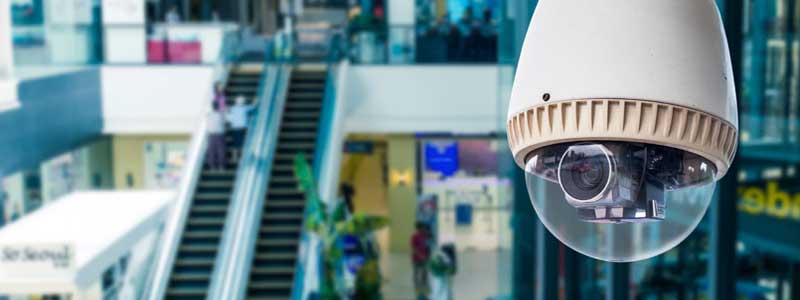
Retail Security Project Planning
Retail security planning should account for customers, staff, stock movement and incident review. A useful brief explains the tasks the business needs to perform without assuming that equipment alone prevents loss.
Follow stock and people
Map receiving, storage, sales areas, employee entrances and cash-handling workflows. Identify recurring visibility gaps and operational exceptions. Keep the scope focused on documented needs, including deliveries, opening, closing and service access.
Define useful evidence
For each camera view, explain the event staff may need to review and the detail required. Consider shelf changes, displays, daylight, reflections and busy periods. Agree who may search, export and share recordings under the organization’s policies.
Compare ownership and recurring costs
Record existing cameras, recorders, network connections and account ownership. Ask providers to separate equipment, installation, subscriptions, connectivity and support. Define staff training and the steps for changing users or handing support to another provider.
Questions for your project brief
- Can staff review a representative delivery or incident?
- Which views change when displays move?
- Who owns administrator accounts and exported records?
- What ongoing costs and support response arrangements apply?
Contractor coordination and field delivery
Retail scopes should distinguish public areas, stockrooms, receiving, point-of-sale coordination, and after-hours work. Specify who protects inventory, provides access, approves downtime, and restores displays. Agree on image requirements for each operational question instead of treating all camera locations as interchangeable.
Use a responsibility matrix to separate design, material supply, cable installation, mounting, configuration, testing, and closeout. Ask bidders to list access assumptions, exclusions, dependencies on other trades, and the process for documenting changes. Require an agreed test record and deficiency list before accepting the subcontracted work.
Where NERSA capabilities fit
NERSA’s commercial and industrial capability areas include video surveillance, access control, intrusion alarms, monitoring, and integrated systems. Use its service overview to identify the relevant work package, then confirm the exact subcontractor role, geographic coverage, qualifications, and scheduling for your project. The project scope should state who supplies equipment and who owns configuration, testing, and support.
Related resources
Use the planning resource directory and security planning glossary to organize follow-up questions. For property-specific service information, continue to the relevant NERSA resource.